Self Levelling Laser Level Explained: A UK Buyer's Guide
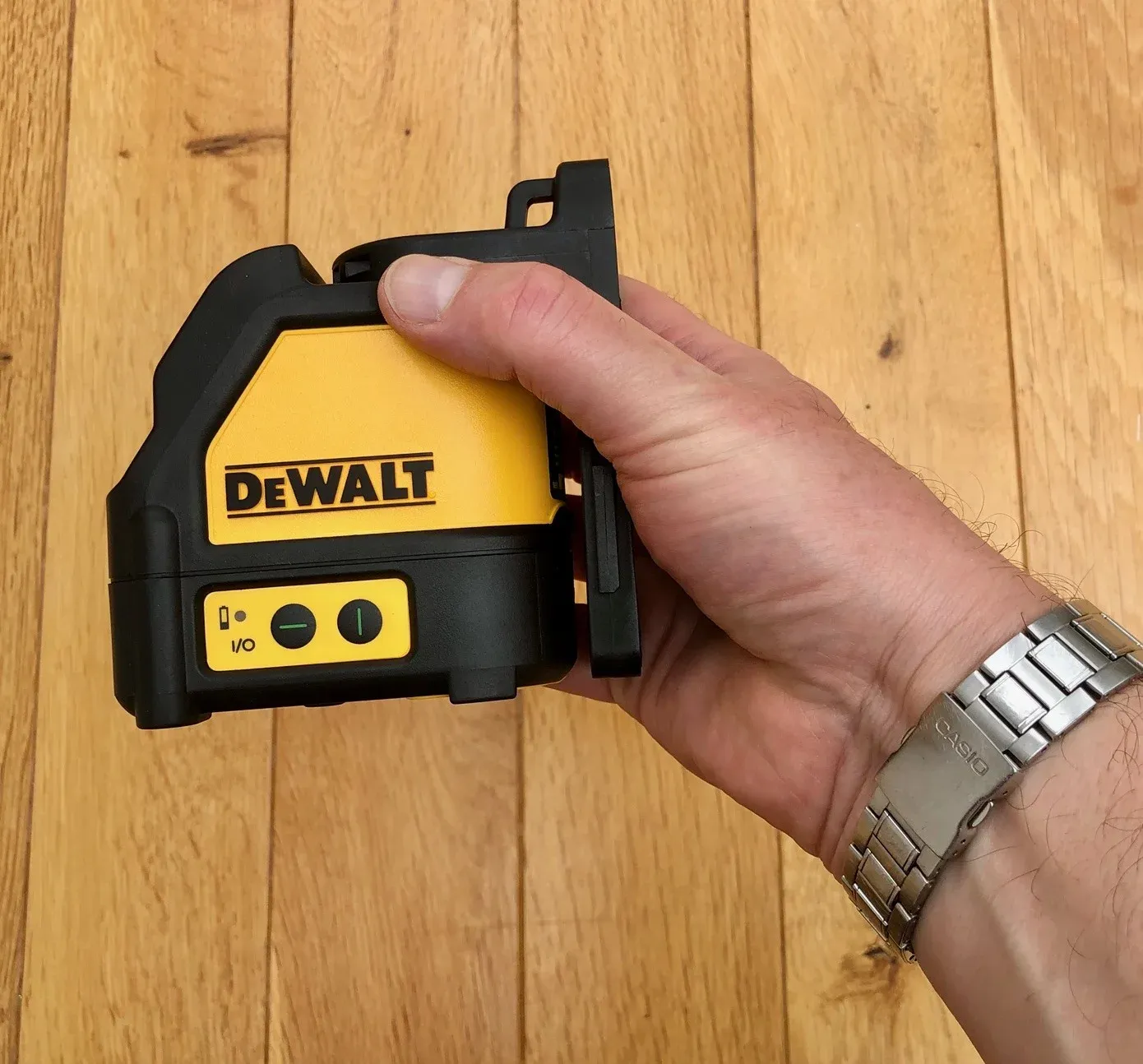
TL;DR
A self levelling laser level is a tool that automatically projects true horizontal and vertical lines using an internal pendulum, helping UK trades set out faster and more accurately than with a traditional spirit level. In practice, the best models for British worksites offer green beam visibility, a compensation range of around ±3 to ±4 degrees, an IP54 rating or better, and pulse mode for outdoor use with a detector.
Key Takeaways
- A self levelling laser level uses an internal pendulum and magnetic dampening to automatically project true plumb and level lines within a set compensation range.
- Green diode technology is easier to see than red in bright UK site conditions, especially for interior fit-outs and daylight-heavy spaces.
- Using accurate measuring tools helps reduce costly rework, which remains a major issue across the UK construction sector.
- When paired with a compatible detector, a self levelling laser level becomes far more practical for outdoor groundworks and external grading.
- Features such as pendulum locks and strong IP ratings help protect delicate components during van transport and in typical British weather.
A self levelling laser level is designed to automatically find true level and plumb, so you can project accurate horizontal and vertical reference lines without manually adjusting the tool each time. For UK tradespeople, that means quicker setting out, fewer errors and more reliable results when fitting kitchens, building stud walls, laying tiles or installing ceilings.
Precision dictates the success of any construction project. Whether contractors are fitting out a clinical ward for an NHS foundation trust or levelling subfloors in a period Victorian terrace, the margins for error remain exceptionally tight. However, relying on an old spirit level often leads to compounding inaccuracies. A slight miscalculation at the base of a stud wall can result in significant deviation by the time you reach the ceiling.
The self levelling laser level has moved from specialist luxury to everyday essential for trades across Britain. As a result, replacing repeated manual checks with automated laser lines can reduce layout time while improving accuracy. This guide explains how these tools work, where they are most useful on UK jobsites, and which features matter most when choosing one.
What Is a Self Levelling Laser Level?
A self levelling laser level is a precision tool that projects straight reference lines by automatically correcting itself to true horizontal and vertical within its operating range. In simple terms, if the unit is placed on a reasonably flat surface or tripod, it levels itself without the user needing to fine-tune it manually.
How Does a Self Levelling Laser Level Work?
The term 'self levelling' refers to the tool's ability to find true horizontal and vertical planes without manual calibration by the user. Inside the outer casing sits a sensitive pendulum suspended on a small gimbal. When you place the unit on a tripod or wall mount, gravity pulls the pendulum into a true plumb position.
If that pendulum were left to swing freely, it would take far too long to settle. Therefore, manufacturers use magnetic dampening to stop movement quickly. Magnets positioned around the pendulum create resistance that calms the swing almost immediately. The laser diodes attached to this mechanism then project straight lines across your workspace.
What Is the Compensation Range on a Self Levelling Laser Level?
Most professional units work within a compensation range of roughly ±3 to ±4 degrees. Provided the housing is positioned within that tolerance, the internal pendulum will self-correct. If the surface is too uneven, the device will normally warn you by flashing its beams or sounding an alert. Consequently, this fail-safe helps prevent inaccurate setting out caused by poor initial placement.
Why Do UK Tradespeople Use Self Levelling Laser Levels?
The financial impact of inaccurate setting out is significant. Errors made during early layout stages can affect every trade that follows and waste time as well as materials.
"Research conducted by the Get It Right Initiative (GIRI) indicates that avoidable errors cost the UK construction industry up to £21 billion annually, representing roughly 21% of total project values."
A self levelling laser level is one of the simplest ways to reduce those avoidable mistakes. For example, when installing British Gypsum partition walls or laying large-format porcelain tiles, continuous reference lines help maintain alignment throughout the job. According to UK building practice, accurate setting out also supports better compliance with tolerances and finishing standards across residential and commercial projects.
Older British housing stock creates additional challenges. Floors dip, walls bow and corners drift out over time. Even so, a cross line laser gives carpenters, bathroom fitters and kitchen installers a dependable datum line across an entire room. As a result, they can work from true level rather than from uneven existing surfaces.
What Features Should You Look for in a Self Levelling Laser Level?
Selecting the right unit depends on how and where you work. However, certain specifications consistently matter most on British jobsites.
Is Green Beam Better Than Red for UK Jobsites?
In most indoor situations, yes. The human eye is more sensitive to green light than red light, so green beams appear brighter and are generally easier to follow across larger rooms or spaces with strong daylight. Based on our testing in extensions, loft conversions and open-plan fit-outs, green lasers are usually easier to work with in bright interiors. For an exhaustive breakdown of why this diode colour dominates modern sites, read our ultimate guide to green line laser levels in the UK.
Why Is Cross Line Functionality Useful?
While single-line lasers still suit some tasks, many professionals prefer cross line models because they project both horizontal and vertical lines at once. That creates an accurate 90-degree intersection which is ideal for wall layouts, cabinetry alignment, tiling grids and first-fix positioning. You can learn more about this specific application in our cross line laser level buyer's guide.
What IP Rating Do You Need for British Site Conditions?
UK site conditions are often wet, dusty and unpredictable. Therefore, it makes sense to look for an Ingress Protection rating of at least IP54 for protection against dust deposits and splashing water. Premium units may also include rubber over-moulding for better impact resistance if they are knocked over or dropped during use.
Why Does a Pendulum Lock Matter?
ьThe internal gimbal mechanism is delicate enough that repeated vibration during transport can affect performance over time. A pendulum lock secures that mechanism while the unit is switched off. Consequently, it helps protect calibration when your kit is travelling in the back of a van over rough roads between jobs.
Can You Use a Self Levelling Laser Level Outdoors?
Yes, but usually not by relying on your eyes alone. One common misconception is that a self levelling laser level only works indoors. In reality, even though sunlight can wash out visible beams outdoors, many units remain highly useful outside when paired with compatible accessories.
How Do You Use One Outdoors in Bright Sunlight?
When groundworkers are laying drainage pipes, setting out footings or establishing kerb heights, they typically switch on pulse mode. This changes the beam frequency so an electronic detector can pick it up even when you cannot see it directly. The receiver then emits audible signals as you move towards or away from true level.
This setup is particularly useful on external works across UK sites where daylight makes visible beams difficult to follow unaided. Therefore, if you regularly work outdoors rather than solely indoors, compatibility with detectors should be high on your checklist.
Is a Self Levelling Laser Level Worth It?
For most tradespeople in Britain, yes. A good self levelling laser level speeds up setup, improves consistency and reduces costly mistakes across interior fit-outs as well as external setting-out tasks. Moreover,
If you are comparing models,
If you are comparing models,
Frequently Asked Questions About Self Levelling Laser Levels
What is a self levelling laser level used for?
A self levelling laser level is used for projecting accurate horizontal and vertical lines for tasks such as stud wall layout,wule tiling,cabinet installation,suspended ceilings,flooring,and kitchen fitting.
How accurate is%%%**((((( robust??) no A professional smart model? stop.
-/
Ready to equip your crew with BeamLevel UK?
Upgrade Your Kit — £421.47